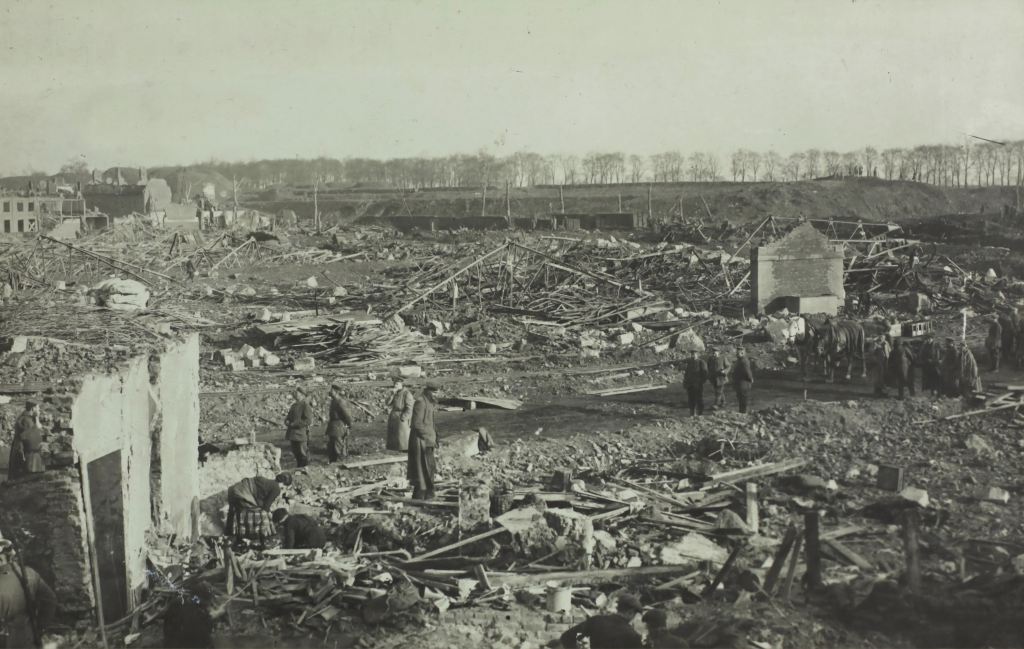
How would a person conquer the very city that he grew up in, but had to leave due to persecution?
A place he was born in and called home for 50+ years? The place where he fell in love, got married, had kids, and a great standing in society? Yet, when he preached Islam peacefully, the elites reacted in the opposite. The very people he called family and neighbors treated him and the Muslims with hostility. The aggression ranged from verbal abuse to physicality and even murder in the case of Sumayyah (رَضِيَ ٱللَّٰهُ عَنْهَا). She was in the lower classes of society and was murdered by Abu Jahl, one of the harshest enemies of the Muslims. Because the Muslims had no position of power, they could not do anything to stop him. As a result of all this, Prophet Muhammad (ﷺ) and his follower had no choice, but to leave the only place they knew.
Fast forward about 8 years and the Muslims have actually become the strongest force in the Arabian peninsula. They had a few goals left and one is to conquer the very land they left – not for their own sake, but to spread the teachings of Islam. And so, going back to the question – how do you expect the conquest to be? Full of bloodshed, chaos, and injustice as conquests typically are, like we see even to this day? Nope.
As reported, when Prophet Muhammad (ﷺ) entered Makkah, he lowered his head and bent his back in humility to God while riding his she-camel. After all, this wasn’t personal. To anyone else, it may be, but for him it was the mission that God gave him as a messenger, and he is reaching the end of it.
Then when addressing the people of Makkah, the Prophet Muhammad (ﷺ) said, “O Quraish, what do you expect from me today?”
And they said, “Mercy, O Prophet of Allah. We expect nothing but good from you.”
Prophet Muhammad (ﷺ) replied, “Today I will speak to you as Yusuf spoke to his brothers. I will not harm you and Allah will forgive you for He is Merciful and Loving. Go you are free.” [Source: Ibn Kathir and Ibn Al-Hajjaj Muslim]
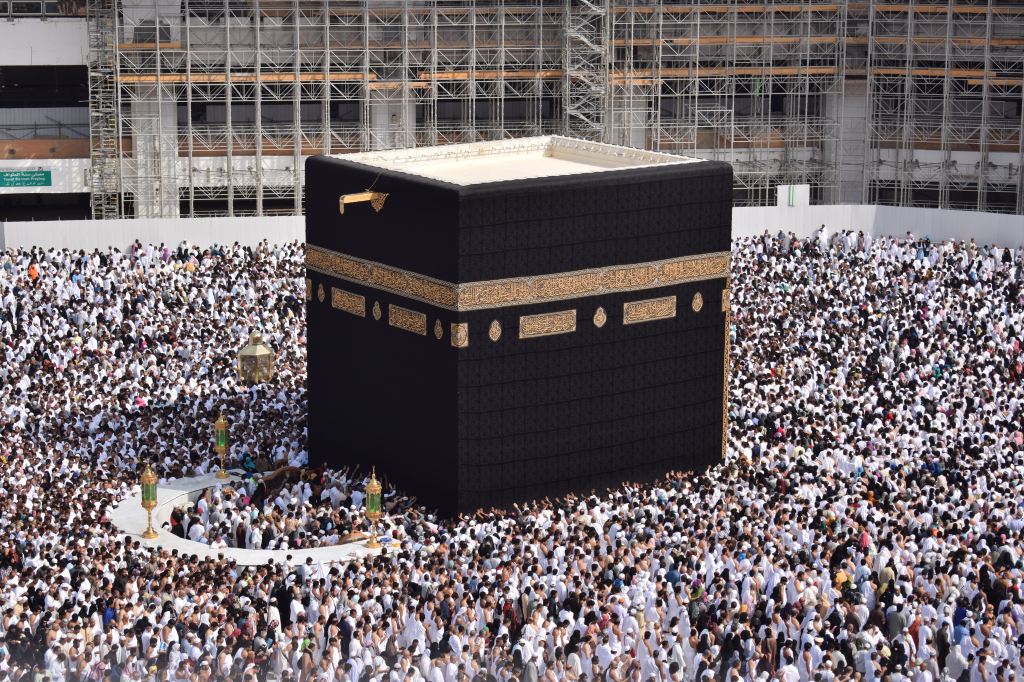
To top all that, to being the new age, he assigned his companion, Bilal ibn Rabah (رَضِيَ ٱللَّٰهُ عَنْهُ), a Black man who was a former slave in Makkah, to climb the Ka’bah (House of God) and announce the call to prayer. This era would not be that of the racism, misogyny, and injustice that Arabia was known for. It will be known for the opposite!
 Why I "Chose" Islam